
Map Of India 1700
The Map of India circa 1700 is a fascinating artifact that provides insight into the cartographic understanding of the subcontinent during a period of significant political and cultural transformation. As one delves into the intricacies of this map, it reveals the diverse geopolitical landscapes and the complex tapestry of regional kingdoms that flourished at the time.
1. Historical Map of India 1700
This remarkable depiction illustrates the subdivisions of India, showcasing the prominent empires and the lesser-known principalities that dotted the region. The Mughal Empire’s vast expanse is striking, indicating its influence over an extensive territory. It also includes lesser kingdoms like the Rajputs and the Deccan Sultanates, all of which play pivotal roles in India’s storied past.
2. Regional Variations in Cartography

The cartographers of the era employed innovative techniques to delineate various regions. From the arid deserts of Rajasthan to the lush forests of the Western Ghats, each area is rendered with remarkable detail. One can observe the unique topographical features, which not only served navigational purposes but also illustrated the cultural and economic fabric of the land.
3. The Intersection of Trade Routes

This map serves as more than a mere representation of geography; it highlights the vital trade routes that crisscrossed the subcontinent. By depicting these thoroughfares, the map showcases the interactions among diverse cultures and the exchange of goods, ideas, and traditions that profoundly shaped Indian society during this epoch.
4. Political Dynamics and Territorial Changes
Significantly, the map encapsulates the political dynamics of the time, reflecting the territorial changes brought about by conquests and treaties. The enthusiastic renaming of places and regions symbolizes the flourishing of regional identities. Studying the map reveals insights into shifting alliances and rivalries among various rulers.
5. OpenStreetMap and Alternative Perspectives
Modern interpretations, such as OpenStreetMap, offer an alternative perspective on India’s geographical identity. By revisiting historical maps, contemporary cartographers are able to draw parallels with modern topography and infrastructure, enriching our understanding of how historical boundaries influence today’s sociopolitical frameworks.
In summary, the Map of India from 1700 transcends mere geography. It is a testament to the artistic, cultural, and political landscapes of a bygone era, inviting viewers to explore a time of rich history that laid the foundations for contemporary India.
The Map of India circa 1700 is a fascinating artifact that provides insight into the cartographic understanding of the subcontinent during a period of significant political and cultural transformation. As one delves into the intricacies of this map, it reveals the diverse geopolitical landscapes and the complex tapestry of regional kingdoms that flourished at the time.
1. Historical Map of India 1700
This remarkable depiction illustrates the subdivisions of India, showcasing the prominent empires and the lesser-known principalities that dotted the region. The Mughal Empire’s vast expanse is striking, indicating its influence over an extensive territory. It also includes lesser kingdoms like the Rajputs and the Deccan Sultanates, all of which play pivotal roles in India’s storied past.
2. Regional Variations in Cartography
The cartographers of the era employed innovative techniques to delineate various regions. From the arid deserts of Rajasthan to the lush forests of the Western Ghats, each area is rendered with remarkable detail. One can observe the unique topographical features, which not only served navigational purposes but also illustrated the cultural and economic fabric of the land.
3. The Intersection of Trade Routes
This map serves as more than a mere representation of geography; it highlights the vital trade routes that crisscrossed the subcontinent. By depicting these thoroughfares, the map showcases the interactions among diverse cultures and the exchange of goods, ideas, and traditions that profoundly shaped Indian society during this epoch.
4. Political Dynamics and Territorial Changes
Significantly, the map encapsulates the political dynamics of the time, reflecting the territorial changes brought about by conquests and treaties. The enthusiastic renaming of places and regions symbolizes the flourishing of regional identities. Studying the map reveals insights into shifting alliances and rivalries among various rulers.
5. OpenStreetMap and Alternative Perspectives
Modern interpretations, such as OpenStreetMap, offer an alternative perspective on India’s geographical identity. By revisiting historical maps, contemporary cartographers are able to draw parallels with modern topography and infrastructure, enriching our understanding of how historical boundaries influence today’s sociopolitical frameworks.
In summary, the Map of India from 1700 transcends mere geography. It is a testament to the artistic, cultural, and political landscapes of a bygone era, inviting viewers to explore a time of rich history that laid the foundations for contemporary India.
If you are searching about OpenStreetMap: An Open Source Alternate to GoogleMaps you’ve came to the right place. We have 10 Pics about OpenStreetMap: An Open Source Alternate to GoogleMaps like Map of the World With Continents and Countries – Ezilon Maps, World Map – A Physical Map of the World – Nations Online Project and also World Map – A Physical Map of the World – Nations Online Project. Here you go:
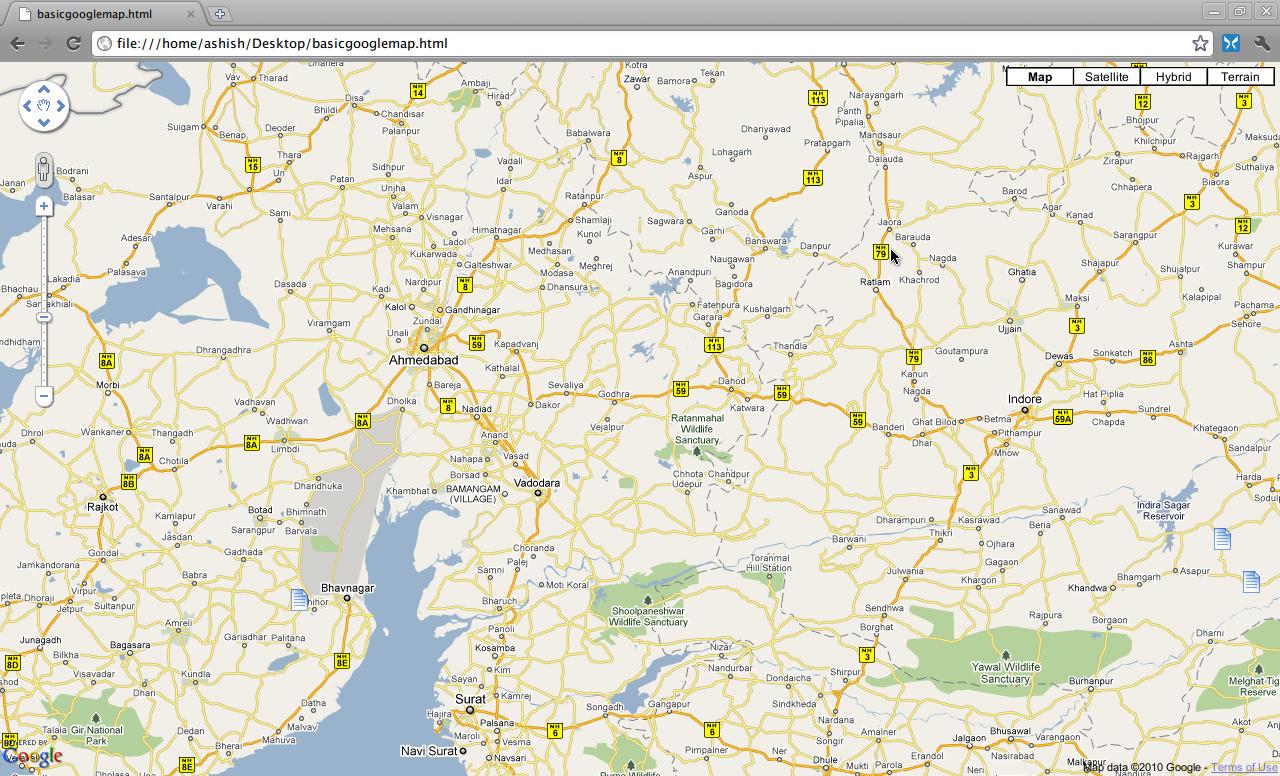
OpenStreetMap: An Open Source Alternate To GoogleMaps
www.opensourceforu.com
OpenStreetMap: An Open Source Alternate to GoogleMaps
Google Maps Introduces India-first Feature Called Address Descriptor
www.newsbytesapp.com
Google Maps introduces India-first feature called Address Descriptor
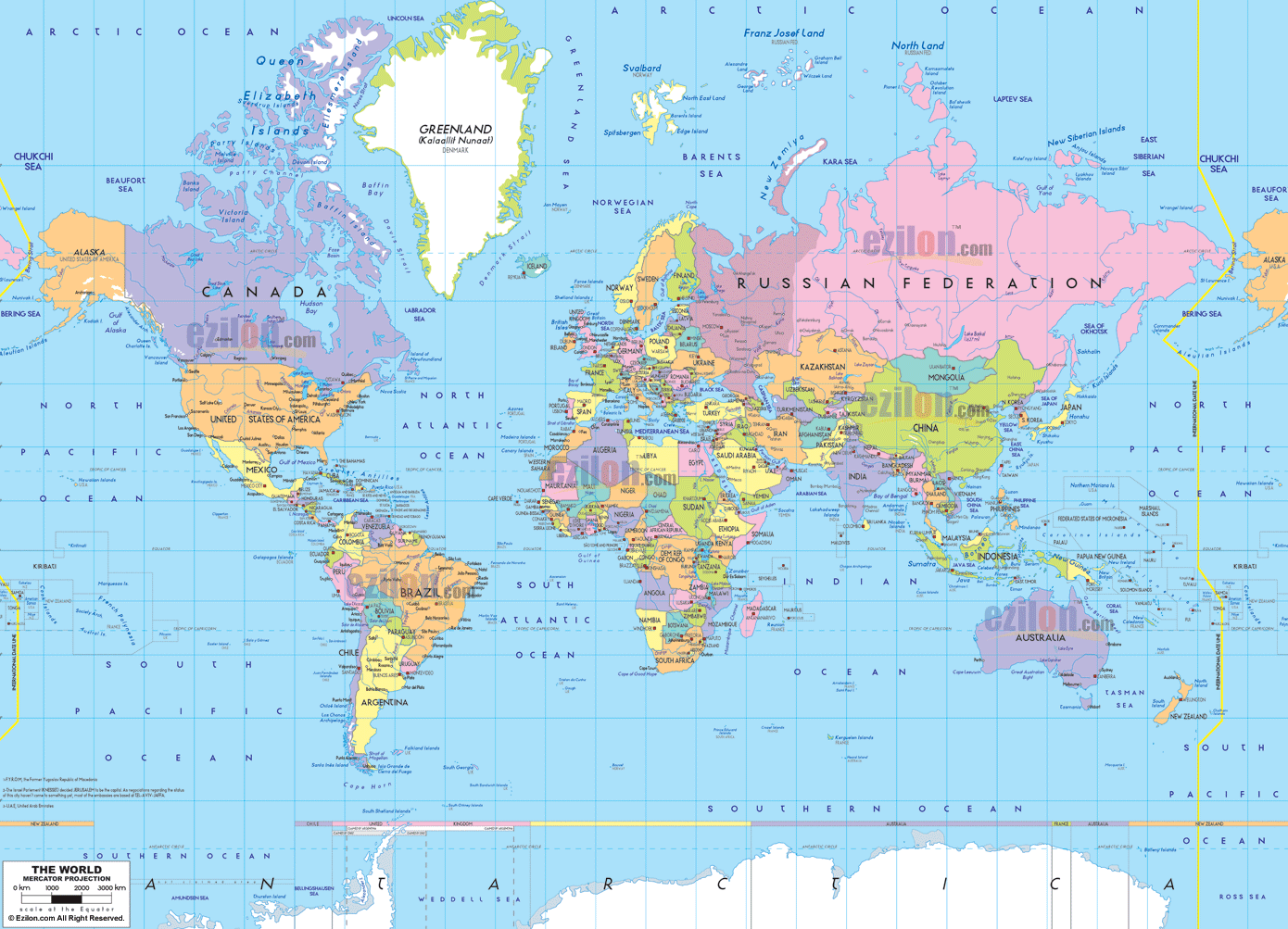
Map Of The World With Continents And Countries – Ezilon Maps
www.ezilon.com
Map of the World With Continents and Countries – Ezilon Maps
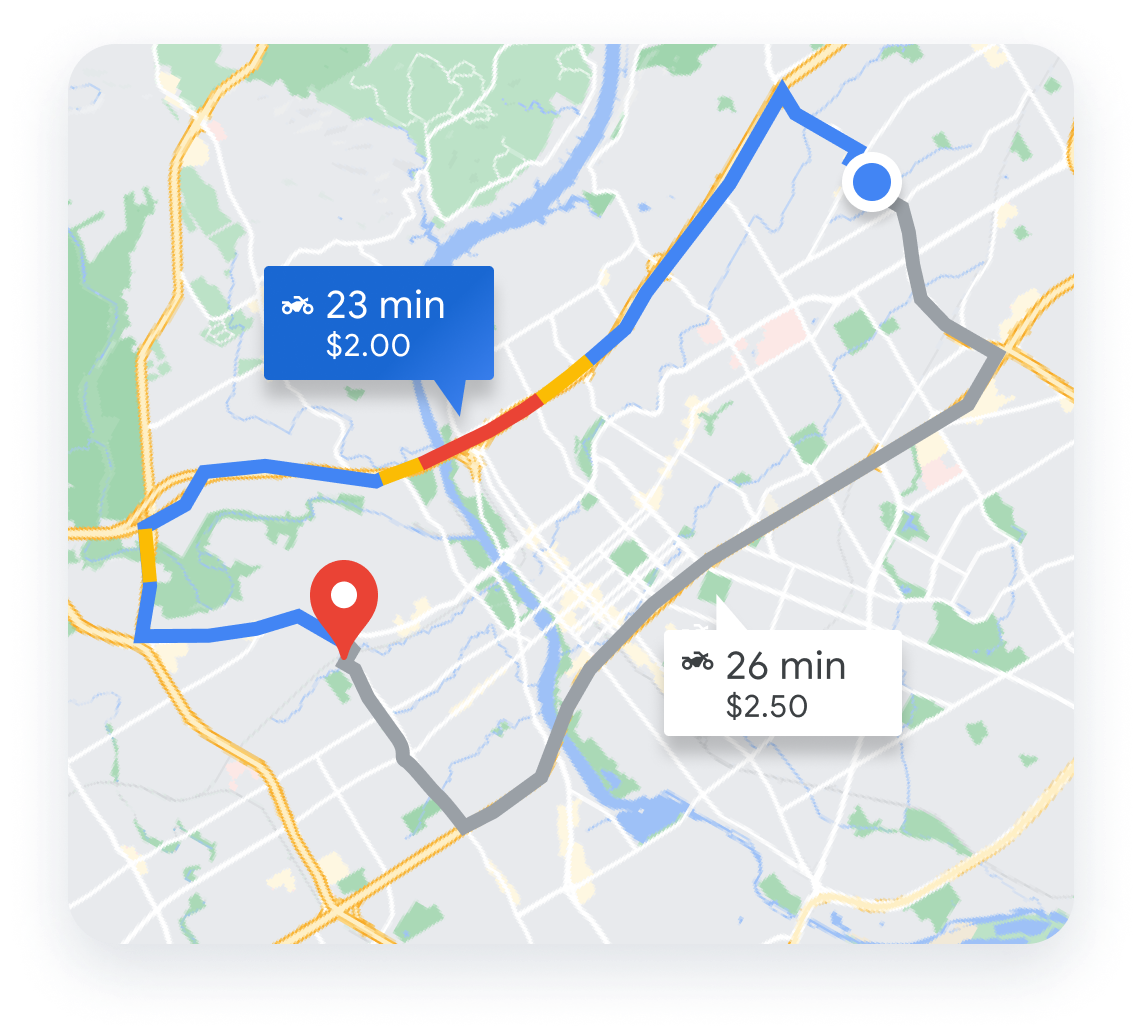
グローバル ルーティングと最適化されたルート計画 – Google Maps Platform
mapsplatform.google.com
グローバル ルーティングと最適化されたルート計画 – Google Maps Platform
Google Maps
www.fity.club
Google Maps
Google Maps: How To Use Google Maps To Plan Your Journey And Save Time
timesofindia.indiatimes.com
Google Maps: How to use Google Maps to plan your journey and save time …
Google Maps Now Lets You To Create And Share A List Of Favourite Places

www.indiatoday.in
Google Maps now lets you to create and share a list of favourite places …
World Map – Political Map Of The World – Nations Online Project
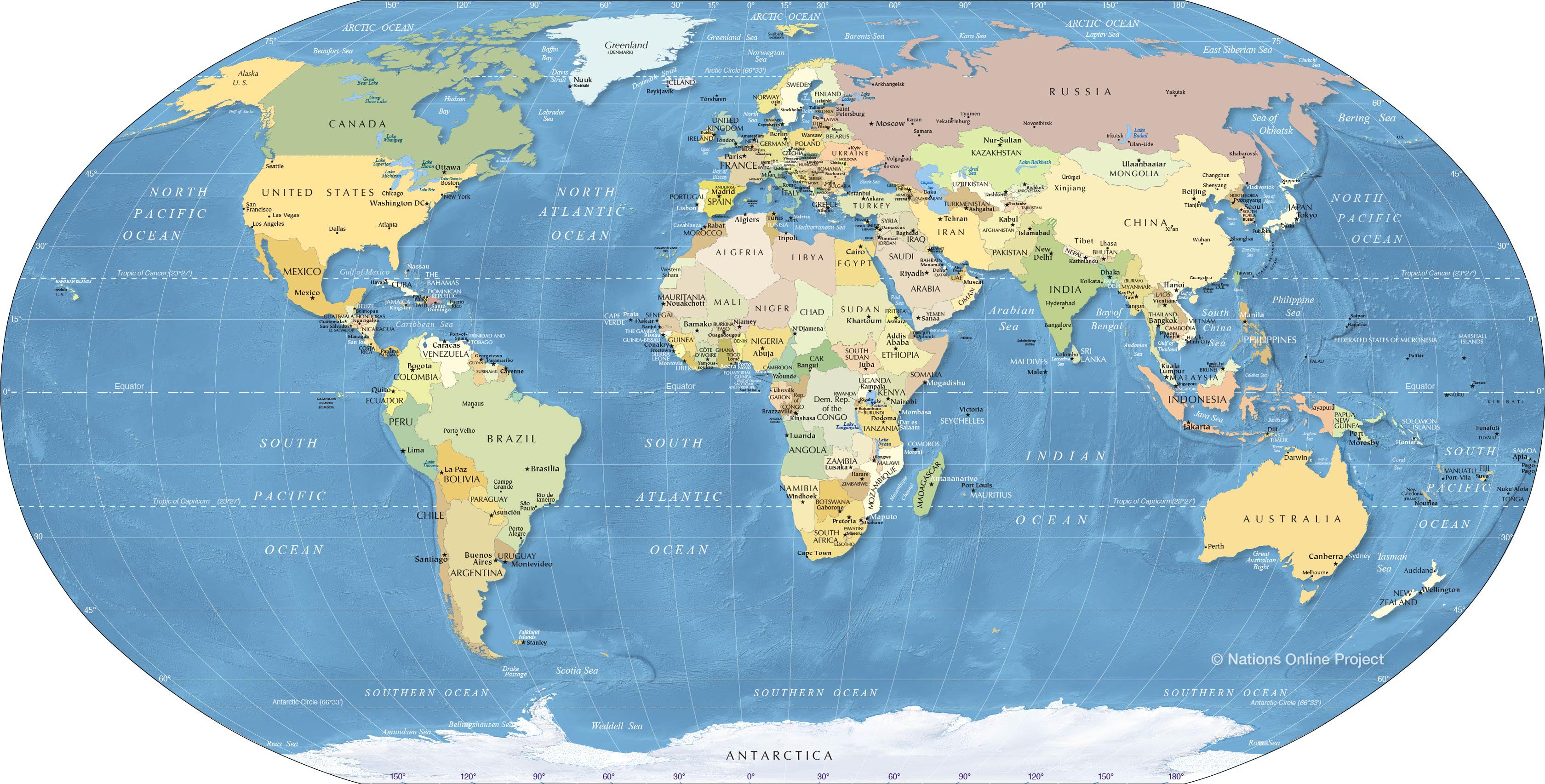
www.nationsonline.org
World Map – Political Map of the World – Nations Online Project
Google Maps Gets An Important Design Change, Here’s What’s New – Times

timesofindia.indiatimes.com
Google Maps gets an important design change, here’s what’s new – Times …
World Map – A Physical Map Of The World – Nations Online Project
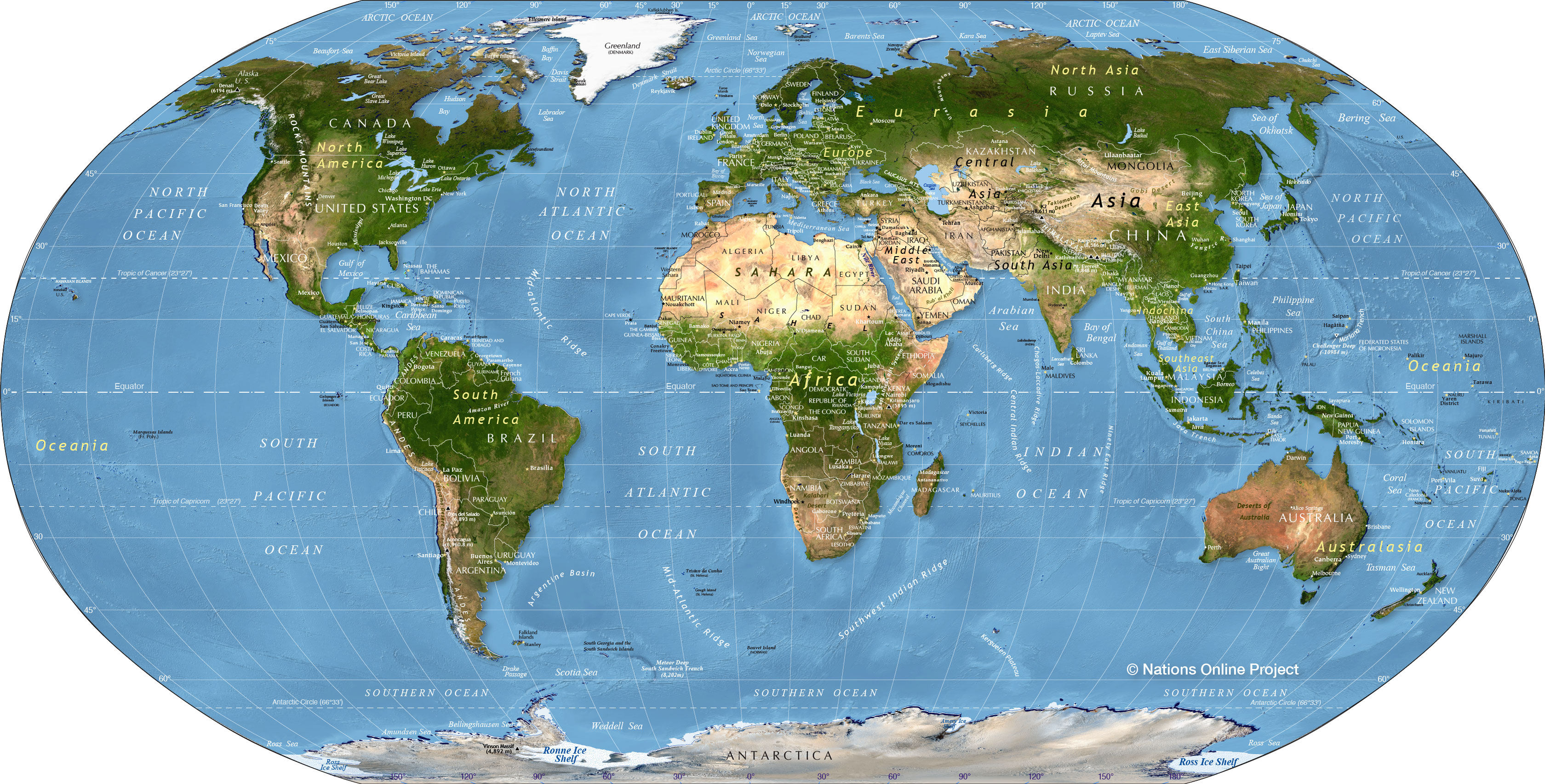
www.nationsonline.org
World Map – A Physical Map of the World – Nations Online Project
Google maps gets an important design change, here’s what’s new. Google maps gets an important design change, here’s what’s new. Google maps: how to use google maps to plan your journey and save time …
