
Map Of India In 1700
The historical map of India in 1700 presents a fascinating vista into a world that diverges greatly from the contemporary layout we recognize today. It is not merely a cartographic representation, but a narrative etched in the geography, culture, and political milieu of the subcontinent during a time of significant change. The subcontinent was a tapestry of diverse kingdoms, regional powers, and intricate trade routes, all vividly illustrated in maps that offer insight into the era.
Map of India – 1700

This map serves as a portal into the past, depicting various kingdoms such as the Mughal Empire, the Maratha Confederacy, and regional principalities. The Mughal Empire, with its extensive grasp over northern India, is distinctly marked, showcasing the administrative prowess of emperors like Aurangzeb. The illustrated borders may not correspond directly to modern geopolitical boundaries, yet they vividly depict the dynamic nature of power and influence during this period.
The Routes and Connectivity

Another notable aspect of these maps is the delineation of trade routes. The historical pathways traverse mountains, rivers, and dense forests, emphasizing the substantial trade networks that flourished despite geographical adversities. A myriad of commercial hubs can be identified, offering a glimpse into the economic lifeblood of India during this epoch. One can imagine bustling markets and the exchange of not just goods but ideas, further enriching the cultural fabric.
Cultural Influences
The intricate artistry of period maps often included notes about the customs, religions, and languages spoken in various regions. The multitude of languages and dialects is a testament to the confluence of cultures, where Persian and local dialects thrived side by side. Such details reveal the societal complexity that existed beyond mere territorial claims.
OpenStreetMap – A Modern Twist
The comparison to contemporary mapping technologies like OpenStreetMap invokes a sense of reverence for the evolution of cartography. While ancient maps were crafted with painstaking detail by hand, modern techniques allow us to visualize the changes over centuries with startling clarity. This juxtaposition amplifies the significance of historical maps as valuable artifacts that narrate the story of a nation through lines and colors.
In exploring the Indian landscape of 1700, one not only engages with a rudimentary representation of the territory but delves into the multi-faceted narrative of its people, their aspirations, and the rich tapestry of their history.
The historical map of India in 1700 presents a fascinating vista into a world that diverges greatly from the contemporary layout we recognize today. It is not merely a cartographic representation, but a narrative etched in the geography, culture, and political milieu of the subcontinent during a time of significant change. The subcontinent was a tapestry of diverse kingdoms, regional powers, and intricate trade routes, all vividly illustrated in maps that offer insight into the era.
Map of India – 1700
This map serves as a portal into the past, depicting various kingdoms such as the Mughal Empire, the Maratha Confederacy, and regional principalities. The Mughal Empire, with its extensive grasp over northern India, is distinctly marked, showcasing the administrative prowess of emperors like Aurangzeb. The illustrated borders may not correspond directly to modern geopolitical boundaries, yet they vividly depict the dynamic nature of power and influence during this period.
The Routes and Connectivity
Another notable aspect of these maps is the delineation of trade routes. The historical pathways traverse mountains, rivers, and dense forests, emphasizing the substantial trade networks that flourished despite geographical adversities. A myriad of commercial hubs can be identified, offering a glimpse into the economic lifeblood of India during this epoch. One can imagine bustling markets and the exchange of not just goods but ideas, further enriching the cultural fabric.
Cultural Influences
The intricate artistry of period maps often included notes about the customs, religions, and languages spoken in various regions. The multitude of languages and dialects is a testament to the confluence of cultures, where Persian and local dialects thrived side by side. Such details reveal the societal complexity that existed beyond mere territorial claims.
OpenStreetMap – A Modern Twist
The comparison to contemporary mapping technologies like OpenStreetMap invokes a sense of reverence for the evolution of cartography. While ancient maps were crafted with painstaking detail by hand, modern techniques allow us to visualize the changes over centuries with startling clarity. This juxtaposition amplifies the significance of historical maps as valuable artifacts that narrate the story of a nation through lines and colors.
In exploring the Indian landscape of 1700, one not only engages with a rudimentary representation of the territory but delves into the multi-faceted narrative of its people, their aspirations, and the rich tapestry of their history.
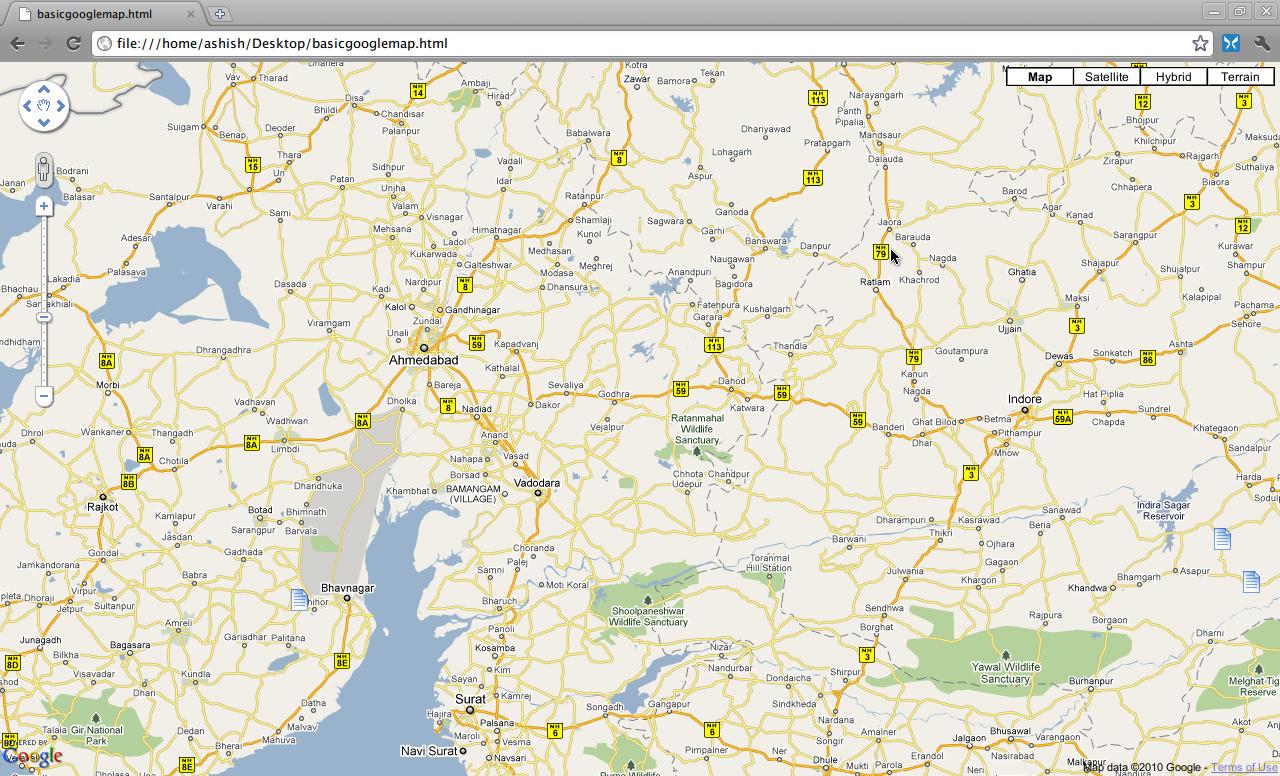
If you are looking for OpenStreetMap: An Open Source Alternate to GoogleMaps you’ve visit to the right web. We have 10 Pics about OpenStreetMap: An Open Source Alternate to GoogleMaps like Map of the World With Continents and Countries – Ezilon Maps, World Map – A Physical Map of the World – Nations Online Project and also Google Maps now lets you to create and share a list of favourite places. Here it is:
OpenStreetMap: An Open Source Alternate To GoogleMaps
www.opensourceforu.com
OpenStreetMap: An Open Source Alternate to GoogleMaps
Google Maps Now Lets You To Create And Share A List Of Favourite Places

www.indiatoday.in
Google Maps now lets you to create and share a list of favourite places …
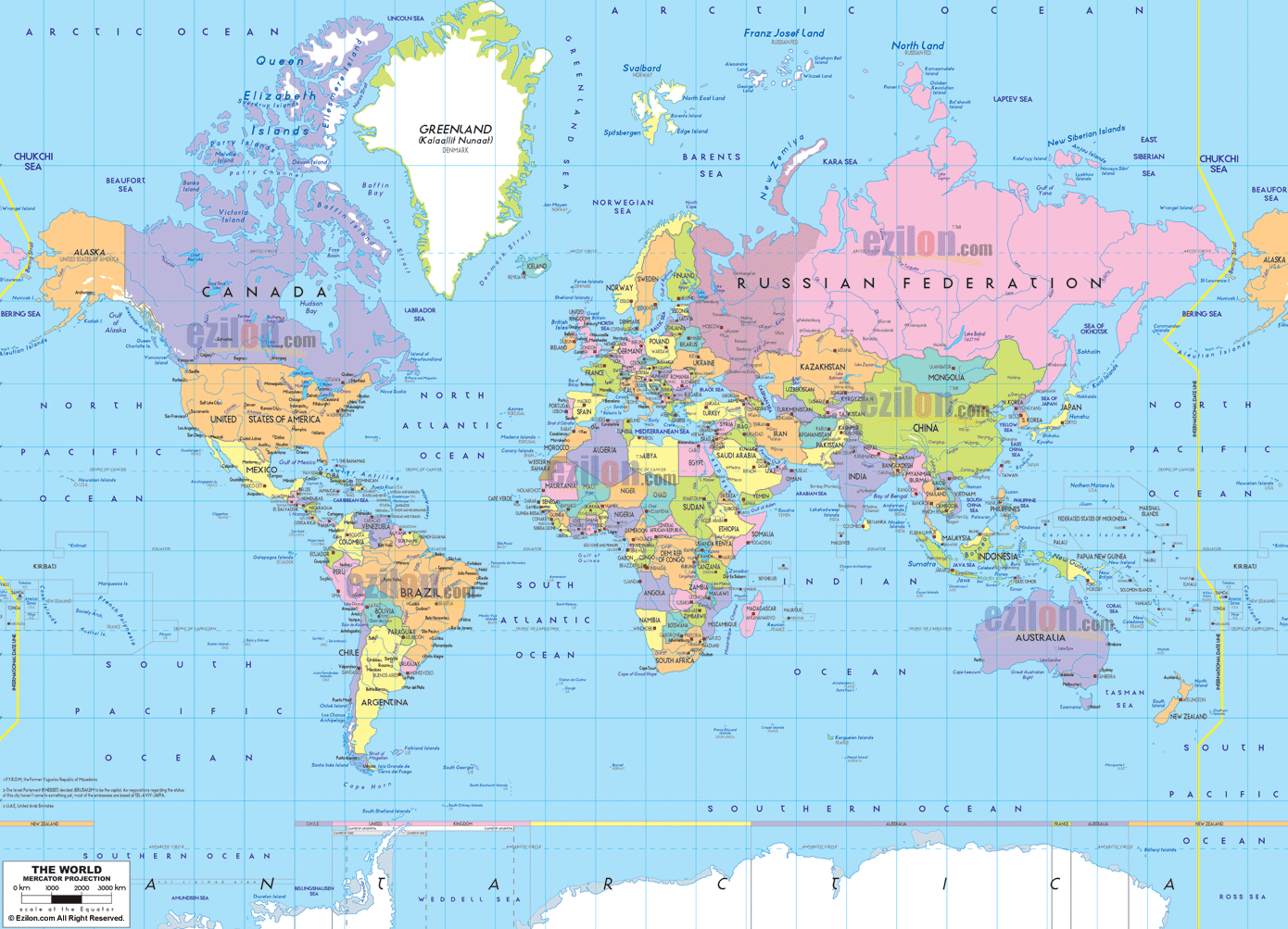
Map Of The World With Continents And Countries – Ezilon Maps
www.ezilon.com
Map of the World With Continents and Countries – Ezilon Maps
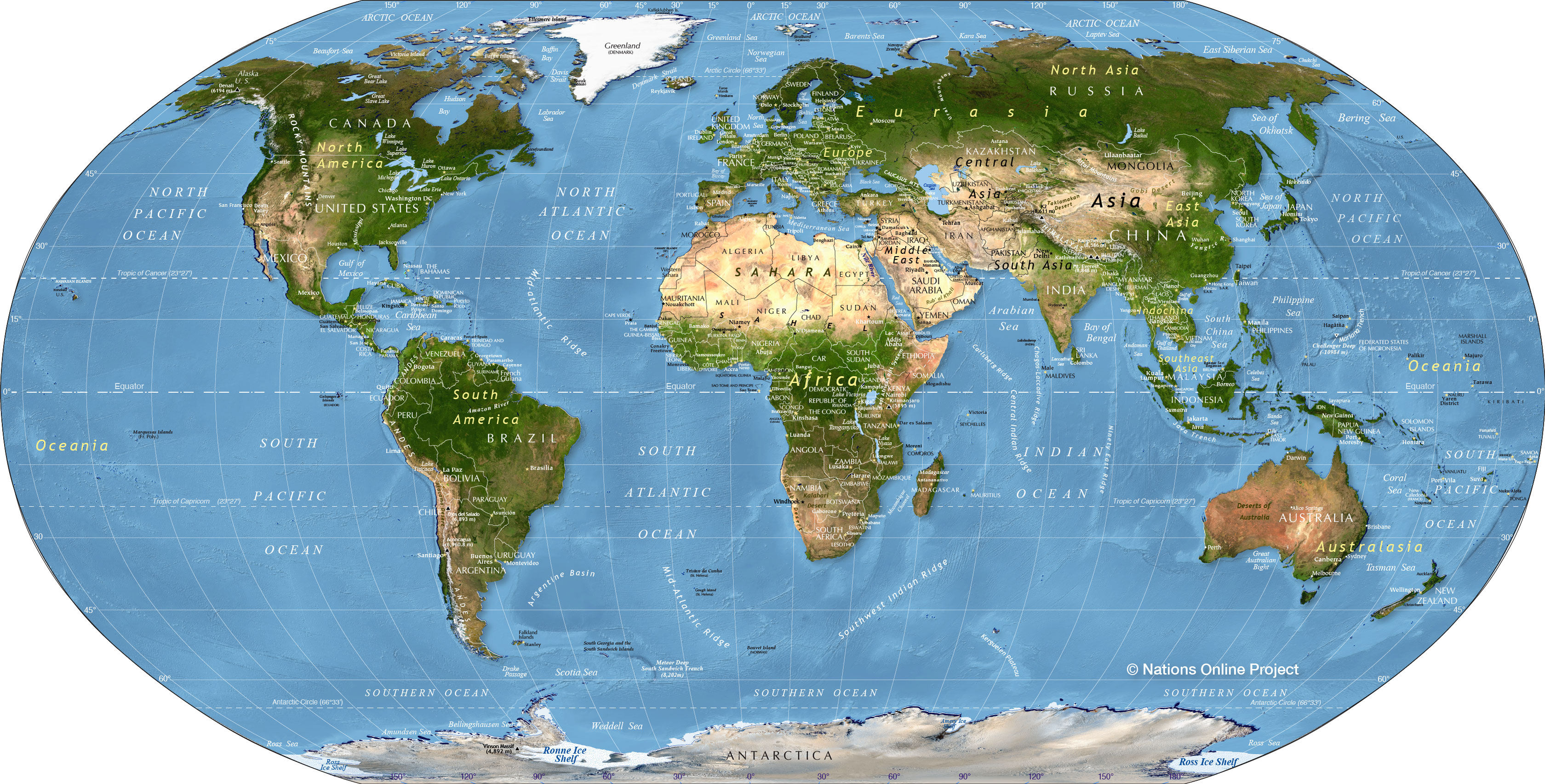
World Map – A Physical Map Of The World – Nations Online Project
www.nationsonline.org
World Map – A Physical Map of the World – Nations Online Project
Google Maps Introduces India-first Feature Called Address Descriptor
www.newsbytesapp.com
Google Maps introduces India-first feature called Address Descriptor
Google Maps Gets An Important Design Change, Here’s What’s New – Times
timesofindia.indiatimes.com
Google Maps gets an important design change, here’s what’s new – Times …
グローバル ルーティングと最適化されたルート計画 – Google Maps Platform
mapsplatform.google.com
グローバル ルーティングと最適化されたルート計画 – Google Maps Platform
World Map – Political Map Of The World – Nations Online Project

www.nationsonline.org
World Map – Political Map of the World – Nations Online Project
Google Maps: How To Use Google Maps To Plan Your Journey And Save Time

timesofindia.indiatimes.com
Google Maps: How to use Google Maps to plan your journey and save time …
Google Maps
www.fity.club
Google Maps
Google maps. Openstreetmap: an open source alternate to googlemaps. World map
